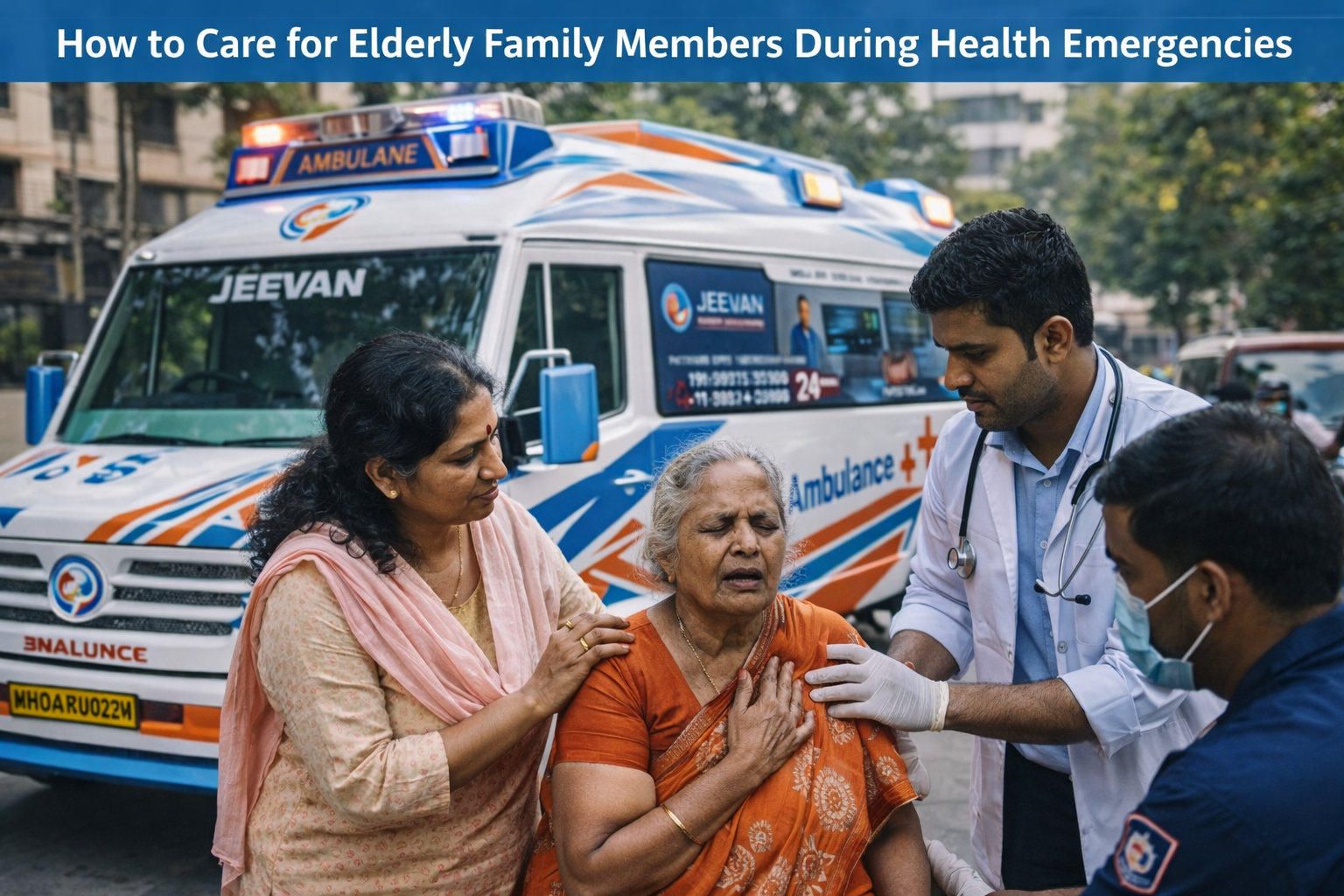
Health emergencies involving elderly family members can be especially stressful. Age-related health conditions, reduced mobility, and existing medical histories often make seniors more vulnerable during sudden medical situations. Knowing how to respond calmly and responsibly can help ensure their safety while professional medical help is on the way.
Caring for elderly individuals during emergencies is not about replacing medical professionals. It is about providing immediate support, avoiding harm, and ensuring timely access to emergency medical services.
Why Emergencies Affect the Elderly Differently
As people age, their bodies respond differently to illness or injury. Symptoms may appear subtly, progress faster, or be harder to recognize. Conditions such as heart disease, diabetes, respiratory issues, and neurological disorders are more common among older adults and can complicate emergencies.
Even seemingly minor symptoms in elderly individuals should be treated with caution. What appears manageable at first may require urgent medical attention.
Stay Calm and Ensure Safety First
In any health emergency involving an elderly person, staying calm is critical. Panic can lead to rushed decisions or unsafe actions.
Ensure the environment is safe by:
- Removing nearby obstacles or hazards
- Helping the person sit or lie down comfortably
- Avoiding unnecessary movement, especially if pain, weakness, or dizziness is present
If the situation appears serious or unclear, emergency medical services should be contacted immediately.
Observe Symptoms Carefully Without Making Assumptions
Elderly individuals may not always express pain clearly. Pay close attention to changes in behavior, speech, or movement.
Watch for signs such as:
- Sudden confusion or disorientation
- Difficulty breathing or speaking
- Chest discomfort or unexplained pain
- Weakness, imbalance, or inability to stand
- Loss of consciousness or extreme drowsiness
Do not attempt to diagnose the condition. These observations are helpful for emergency responders and doctors, not for self-treatment.
Avoid Home Remedies in Serious Situations
During a health emergency, it may be tempting to try home remedies or medications. This can be risky, especially for elderly individuals who may already be on multiple prescriptions.
Avoid:
- Giving unprescribed medication
- Forcing food or fluids
- Attempting physical therapy or massage
- Delaying medical care to “wait and see”
When symptoms are sudden, severe, or unusual, professional medical assistance should always be the priority.
Keep Medical Information Easily Accessible
Preparation plays an important role in emergencies. Having essential medical information readily available can support faster and safer care.
Important details to keep accessible include:
- Existing medical conditions
- Current medications and dosages
- Known allergies
- Previous hospitalizations or surgeries
- Emergency contact details
Sharing this information with emergency responders helps them provide appropriate care quickly.
Communicate Clearly While Waiting for Help
While waiting for emergency medical services:
- Speak calmly and reassuringly
- Encourage the elderly person to remain still and comfortable
- Monitor their condition without interfering
Clear communication reduces anxiety and prevents unnecessary strain on the individual.

When to Contact Emergency Medical Services Immediately
Emergency medical services should be contacted without delay if an elderly person experiences:
- Sudden chest pain or breathing difficulty
- Loss of consciousness or fainting
- Stroke-like symptoms such as facial drooping or slurred speech
- Severe or unexplained pain
- Falls with injury or suspected fractures
- Rapid worsening of any existing medical condition
In elderly care, it is always safer to seek professional help early rather than risk delays.
The Role of Emergency Medical Services in Elderly Care
Emergency medical teams are trained to manage age-related health risks and provide appropriate pre-hospital care. They assess vital signs, stabilize the patient, and ensure safe transport to a medical facility when needed.
Their role is especially important for elderly patients, as early intervention and proper handling can prevent complications during transit.
Supporting Elderly Family Members Beyond the Emergency
After an emergency, continued medical follow-up and monitoring are essential. Families should work closely with healthcare providers to understand recovery needs, medication changes, and lifestyle adjustments.
Preparedness, awareness, and professional support together form the foundation of safe elderly care during health emergencies.
Conclusion
Caring for elderly family members during health emergencies requires calm decision-making, careful observation, and responsible action. While family members can provide comfort and basic support, serious or uncertain situations should always be handled by professional emergency medical services.
Prioritizing timely medical assistance helps protect health, dignity, and safety when it matters most.
Frequently Asked Questions
What should I do first if an elderly family member suddenly falls ill?
Stay calm, ensure their safety, and contact emergency medical services if symptoms are severe, sudden, or unclear. Avoid giving medication or attempting treatment without medical guidance.
Should I try to move an elderly person during an emergency?
Movement should be avoided unless necessary for safety. Improper movement can worsen injuries or medical conditions. Emergency responders are trained to handle safe transfers.
When is it necessary to call an ambulance for an elderly person?
An ambulance should be called for symptoms such as chest pain, breathing difficulty, confusion, loss of consciousness, severe pain, or after a fall with possible injury.
Can I give water or food during a health emergency?
Food or fluids should only be given if the person is fully conscious, alert, and able to swallow safely. In many cases, it is best to wait for medical professionals.
How can families prepare for elderly health emergencies in advance?
Families can prepare by keeping medical records accessible, knowing emergency contact numbers, and understanding when to seek professional medical help promptly.