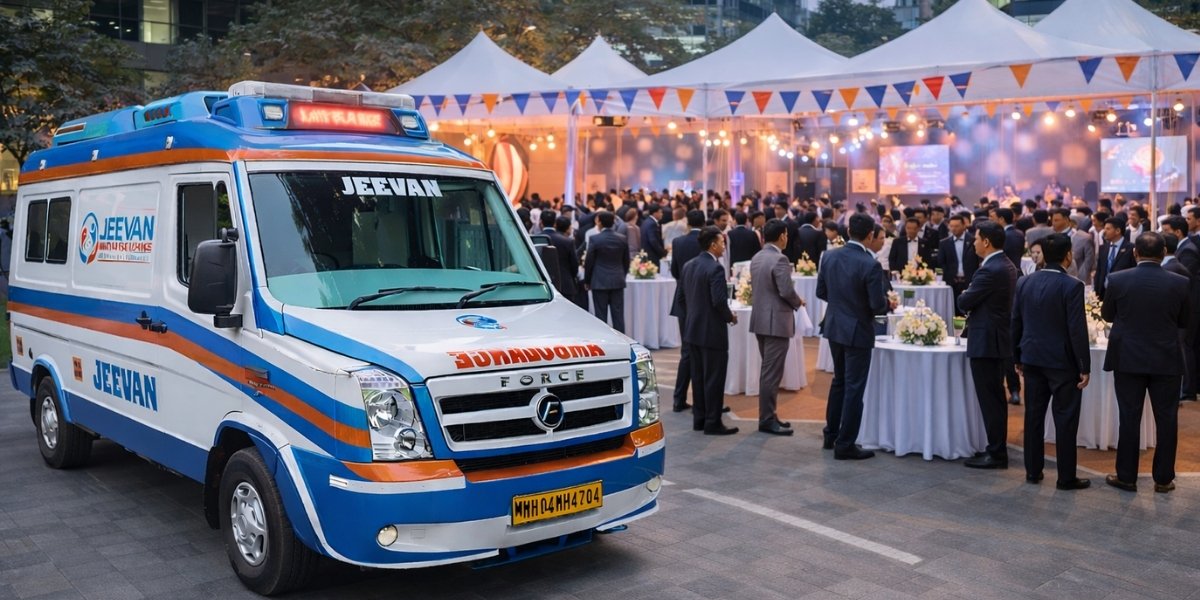
Large gatherings bring people together for celebration, business, sports, and culture. However, behind every successful event is careful planning not just for logistics, security, and crowd management, but also for medical preparedness. Medical planning plays a critical role in ensuring that events run safely, smoothly, and without unnecessary disruption.
Medical emergencies at events are unpredictable. From dehydration and minor injuries to cardiac events or trauma, the presence of trained medical teams and properly equipped ambulances can significantly reduce response time and improve outcomes. This is why structured medical planning has become an essential part of responsible event management.
Why Medical Planning Is Essential for Events
Events concentrate large numbers of people in a limited space, often for extended periods. Factors such as weather, crowd density, physical exertion, stress, alcohol consumption, and pre-existing health conditions can increase the likelihood of medical incidents.
Medical planning ensures that:
- Emergencies are identified early
- Response is organized and timely
- Medical care begins before hospital arrival
- Panic and confusion are minimized
Rather than reacting to situations as they arise, event medical planning focuses on preparedness and prevention, helping organizers maintain control even during unexpected situations.
Common Medical Risks at Events
While every event is different, certain medical situations are commonly observed across gatherings:
- Heat exhaustion and dehydration
- Fainting or sudden illness
- Injuries due to slips, falls, or overcrowding
- Cardiac or respiratory emergencies
- Allergic reactions or asthma episodes
Without a clear medical plan, even minor incidents can escalate, disrupting the event and putting attendees at risk. A dedicated emergency response setup ensures these situations are managed calmly and professionally.

What Medical Planning for Events Includes
Effective medical planning is not limited to placing an ambulance at the venue. It involves a structured approach that integrates personnel, equipment, communication, and coordination.
Risk Assessment Before the Event
Medical teams evaluate factors such as:
- Event size and expected footfall
- Nature of the event (sports, concert, exhibition, religious gathering)
- Venue layout and accessibility
- Duration and environmental conditions
This assessment helps determine the level of medical support required.
On-Site Medical Teams
Trained paramedics and medical professionals are positioned strategically within the venue to provide immediate assistance. Their presence allows for early intervention, often preventing situations from becoming critical.
Ambulance Deployment
Depending on the risk level, events may require:
- Basic Life Support (BLS) ambulances for general medical needs
- Advanced Life Support (ALS) or ICU ambulances for high-risk or large-scale events
Ambulances remain on standby to ensure rapid transport if hospital care is required.
Clear Emergency Protocols
Medical planning establishes clear protocols for:
- Reporting medical incidents
- Coordinating with event security and organizers
- Deciding when hospital transfer is necessary
This clarity prevents confusion and delays during emergencies.
How Emergency Response Services Improve Event Safety
Professional emergency response services bring experience, training, and systems that go beyond first aid. Their role is to provide pre-hospital medical care, which is often critical in the early minutes of an emergency.
Key advantages include:
- Faster response times due to on-site presence
- Trained decision-making under pressure
- Proper stabilization before hospital transfer
- Coordination with nearby hospitals when required
These capabilities help ensure that medical incidents are managed discreetly, without causing alarm or disruption to the event.
The Impact on Event Flow and Management
Medical planning contributes not only to safety but also to the overall smooth functioning of an event.
When medical support is well-organized:
- Minor incidents are resolved quickly without interrupting proceedings
- Serious cases are handled efficiently with minimal visibility
- Organizers can focus on operations without emergency distractions
- Attendees feel reassured knowing help is available
This balance of preparedness and discretion is essential for maintaining the professional standard of large events.
Compliance, Responsibility, and Reputation
Many venues, corporates, and authorities now require medical planning as part of event compliance. Beyond regulations, providing medical support reflects a commitment to attendee welfare.
Events that prioritize safety:
- Demonstrate responsible planning
- Reduce legal and operational risks
- Build trust with participants, sponsors, and partners
Medical preparedness is increasingly viewed not as an optional service, but as a core responsibility of event organizers.
Planning for Different Types of Events
Medical planning is scalable and adaptable. The level of support varies depending on the event type:
- Corporate events and exhibitions: Focus on general medical care and rapid response
- Sports events: Higher risk of injuries and exertion-related emergencies
- Concerts and festivals: Crowd density and environmental factors require stronger preparedness
- Religious or public gatherings: Extended duration and mixed demographics demand comprehensive planning
Professional emergency response providers tailor medical coverage based on these factors to ensure appropriate readiness.
Conclusion: Preparedness Enables Confidence
Medical planning is a silent but powerful pillar of successful events. When done correctly, it ensures safety without drawing attention, readiness without disruption, and care without chaos.
By integrating professional emergency response services into event planning, organizers create an environment where attendees can participate confidently, knowing that their well-being has been responsibly considered.
Preparedness does not guarantee that emergencies won’t happen but it ensures that when they do, they are managed with calm, expertise, and efficiency.