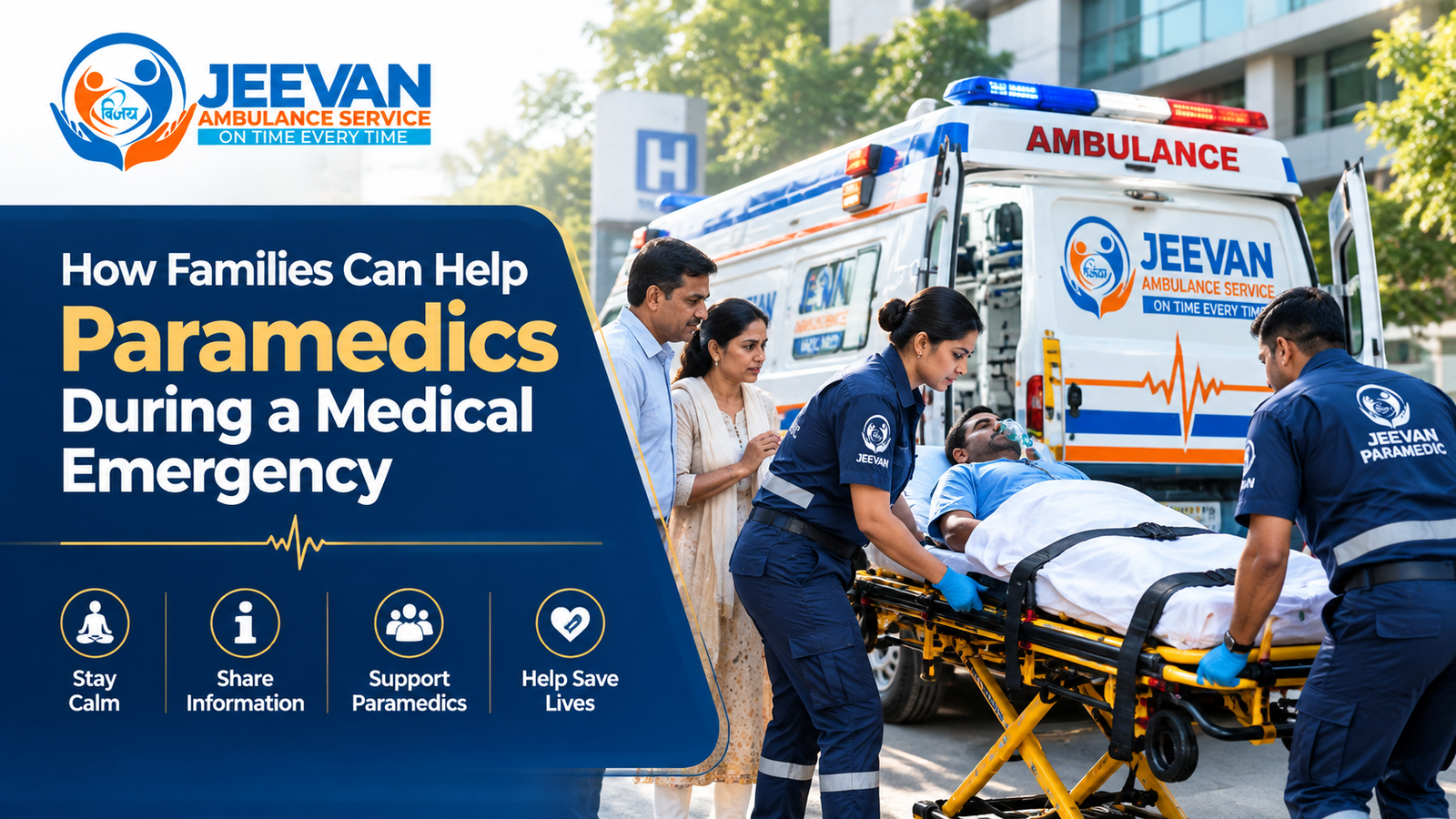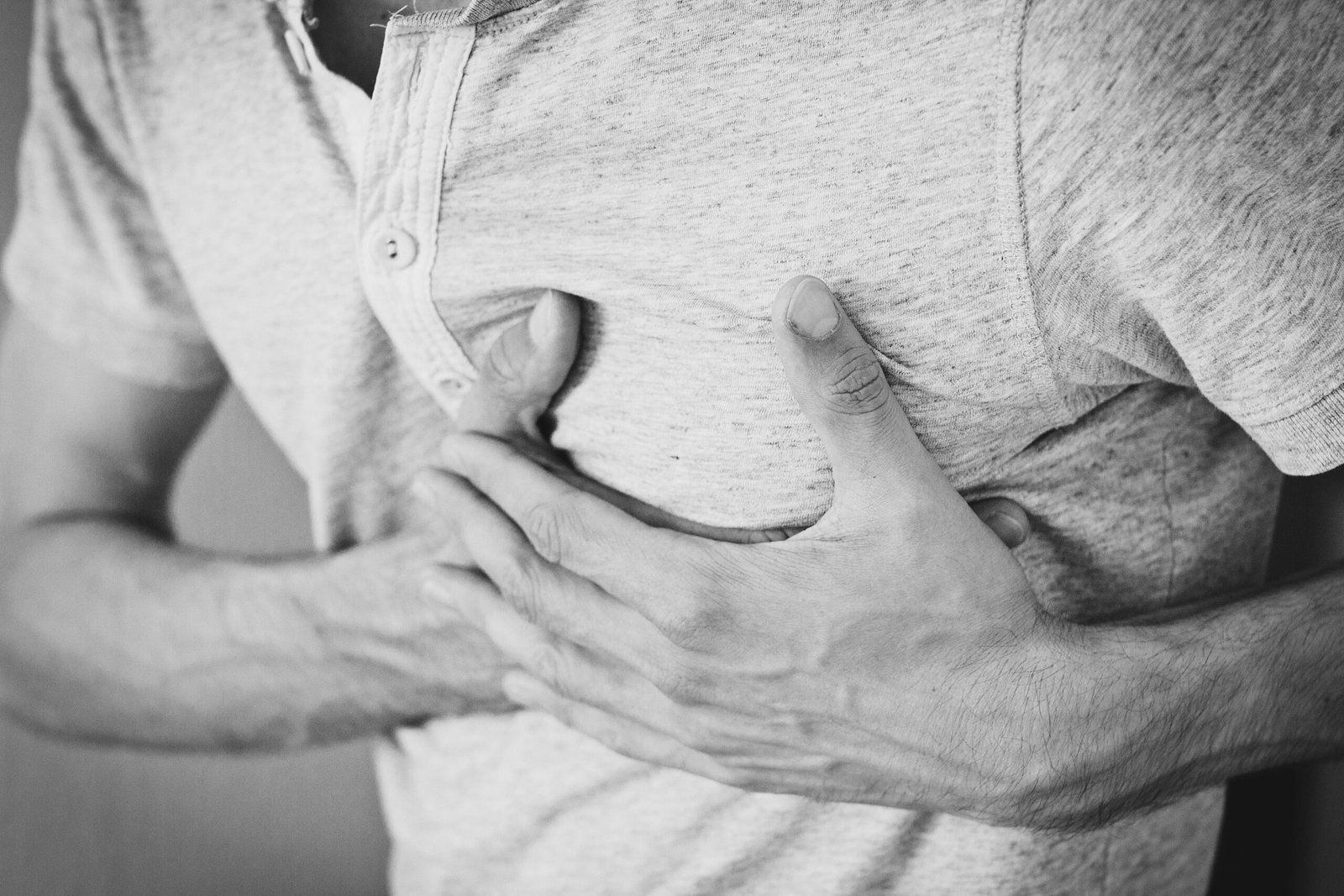
Sudden body pain can be alarming, especially when it appears without warning. It may occur at home, at work, or in public places, and can range from mild discomfort to severe pain that limits movement or causes distress. While not all body pain indicates a serious medical emergency, it is important to respond calmly and take appropriate steps until professional medical help arrives.
Understanding how to manage sudden body pain responsibly can help reduce discomfort, prevent further strain, and ensure timely medical attention when needed.
Understanding Sudden Body Pain
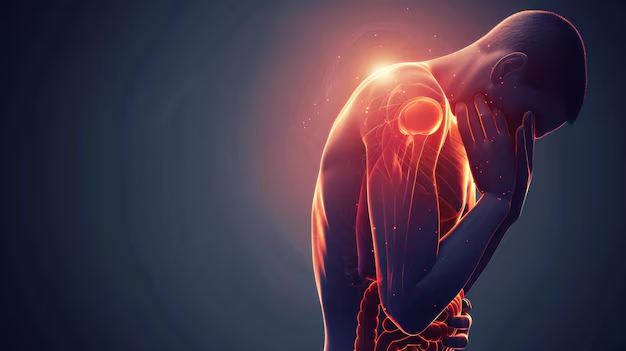
Sudden body pain can result from several causes, including muscle strain, poor posture, dehydration, fatigue, minor injuries, or underlying medical conditions. Pain may affect the back, neck, chest, joints, or limbs and can vary in intensity.
It is important to remember that pain is the body’s way of signaling that something is not right. While basic self-care steps can provide temporary relief, persistent or severe pain should always be evaluated by a medical professional.
Stay Calm and Assess the Situation
The first and most important step is to remain calm. Panic can increase muscle tension and worsen pain.
Try to assess:
- Where the pain is located
- How intense the pain feels
- Whether the pain started suddenly or gradually
- If there are other symptoms such as dizziness, weakness, or difficulty breathing
If the pain is severe, worsening, or associated with concerning symptoms, it is important to seek medical assistance immediately.
Help the Person Rest in a Comfortable Position
Encourage the person experiencing pain to stop any physical activity and rest. Movement during sudden pain may aggravate the condition.
- Help them sit or lie down in a comfortable position
- Support the painful area using cushions or folded cloth
- Avoid forcing movement or stretching
Resting reduces strain and helps prevent further injury while waiting for medical help.
Apply Cold or Warm Compress Carefully
Depending on the situation, temperature therapy may help ease discomfort.
- A cold compress can help reduce swelling or inflammation caused by strain or minor injury
- A warm compress may help relax tense muscles and reduce stiffness
Apply compresses gently for short periods. Avoid extreme temperatures and do not apply directly to bare skin for extended durations.
Encourage Hydration if Appropriate
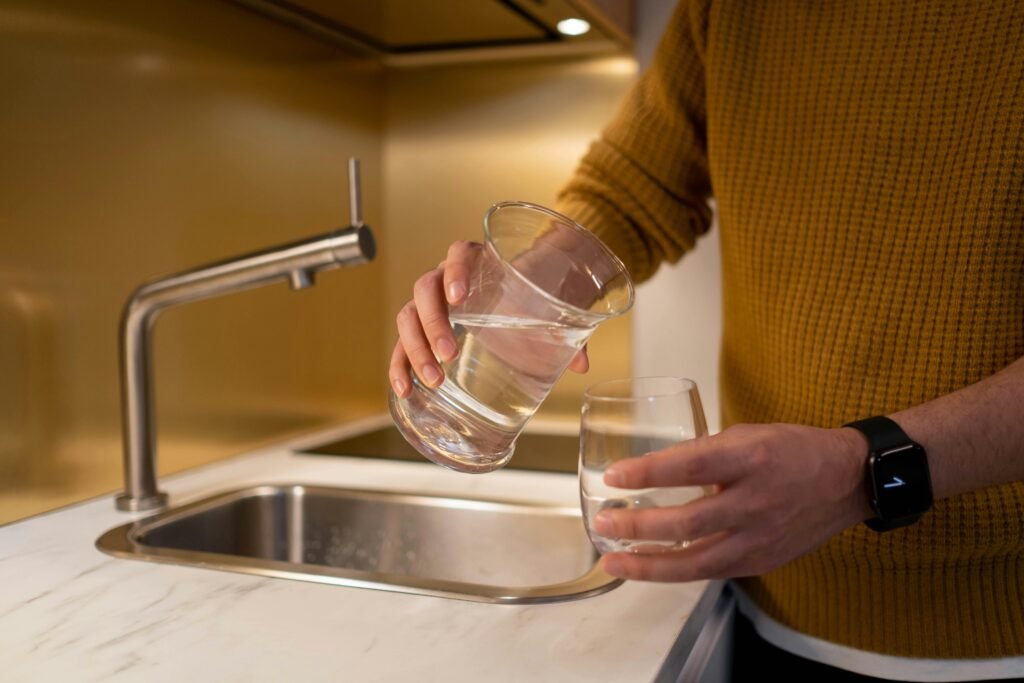
Dehydration can sometimes contribute to muscle pain or cramps. If the person is conscious, alert, and able to swallow safely, small sips of water may help.
Do not give fluids if the person is nauseous, semi-conscious, or advised otherwise by a medical professional.
Avoid Self-Medication Without Guidance
While over-the-counter pain relievers are commonly used, it is best to avoid taking medications without medical guidance during sudden or unexplained pain. Certain medications may mask symptoms or interact with existing health conditions.
If the person already has prescribed medication for a known condition, it should only be taken as advised by their doctor.
Observe for Warning Signs
While managing pain, remain alert for symptoms that may indicate a more serious condition. Seek urgent medical assistance if pain is accompanied by:
- Chest discomfort or pressure
- Difficulty breathing
- Sudden weakness or numbness
- Severe headache or confusion
- Pain following a fall or accident
- Pain that worsens rapidly or does not improve
These signs may require immediate professional medical evaluation.
When to Seek Emergency Medical Help
Self-care measures are only temporary. Emergency medical services should be contacted if:
- The pain is severe or unbearable
- The cause of pain is unknown
- Pain limits movement significantly
- The person has a history of heart, neurological, or chronic medical conditions
- Pain occurs suddenly in elderly individuals or children
Timely medical support ensures proper assessment and care.
The Role of Emergency Medical Services
Emergency medical teams are trained to assess sudden pain, provide initial care, and transport patients safely to medical facilities when required. Their role is to stabilize the patient, monitor vital signs, and ensure continuity of care before hospital arrival.
While basic steps can be taken at home or on-site, professional medical evaluation remains essential in unclear or serious situations.
Conclusion
Sudden body pain can be unsettling, but responding calmly and responsibly can make a difference. Rest, proper positioning, gentle compresses, and observation are useful steps while waiting for medical help.
It is important to recognize the limits of self-care and seek professional medical assistance when pain is severe, persistent, or accompanied by warning signs. Preparedness, awareness, and timely response help ensure safety and appropriate care during unexpected health situations.