Introduction
India’s vast geography and diverse healthcare infrastructure often require patients to be transported over long distances for specialized treatment, advanced diagnostics, or continuity of care. In critical situations, the choice of transport whether by air, train, or road can significantly impact patient outcomes, comfort, and safety.
While road ambulances are ideal for short distances and urban transfers, there are scenarios where air or train ambulances become not just preferable but essential. Understanding when and why to choose these specialized services is crucial for families, caregivers, and healthcare providers making time-sensitive decisions.
This blog explores the key considerations, benefits, and scenarios where air and train ambulances are the right choice for long-distance patient transfers in India.
The Challenge of Long-Distance Patient Transfers in India
India’s healthcare landscape is marked by centers of excellence in metropolitan cities, while many towns and rural areas may lack advanced medical facilities. When a patient requires specialized care unavailable locally, safe and timely transfer becomes a priority.
However, long-distance transfers present unique challenges:
- Delays due to traffic congestion or poor road conditions
- Patient instability during prolonged journeys
- Need for continuous medical monitoring and intervention
- Logistical complexities, including coordination with multiple agencies
In such contexts, choosing the appropriate mode of medical transport is critical to ensuring patient safety and comfort.
What Are Air and Train Ambulances?
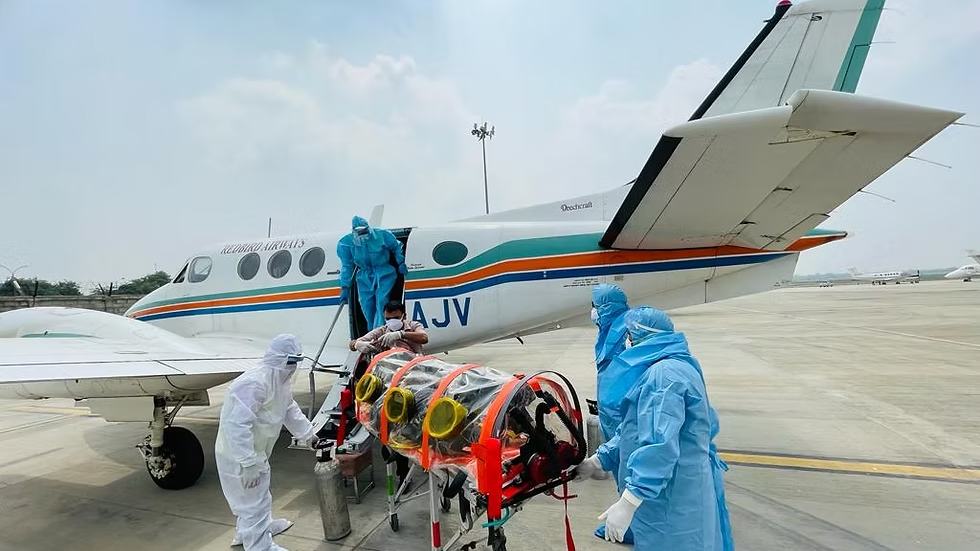
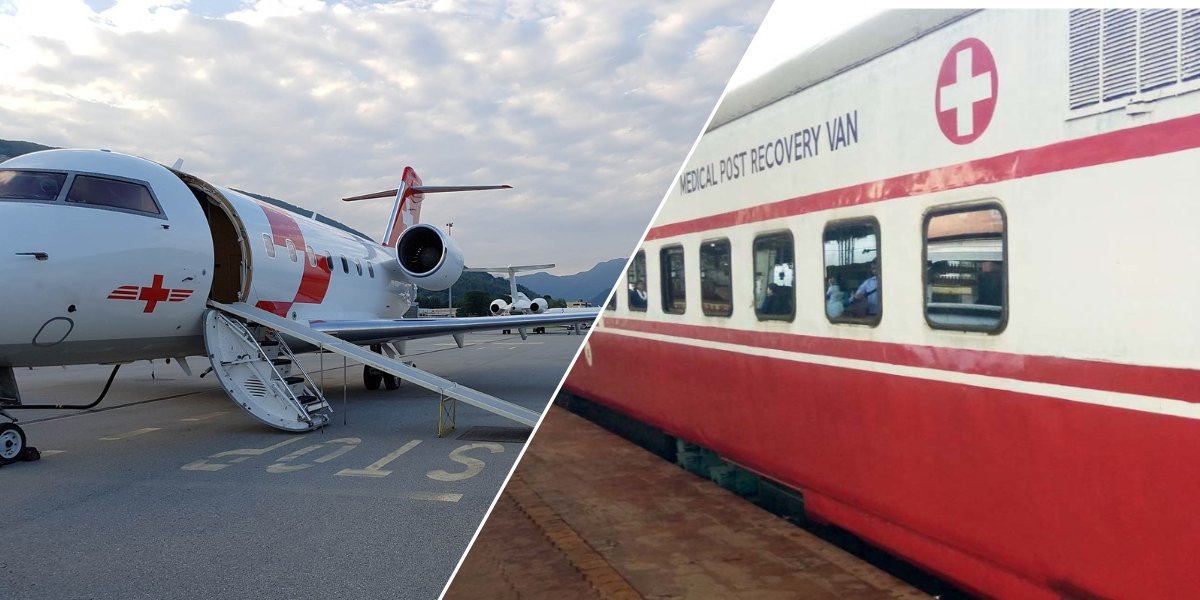
Air Ambulance
An air ambulance is a specially equipped aircraft either a fixed-wing plane or a helicopter designed to transport patients who require urgent medical attention over long distances. These ambulances are staffed by trained medical professionals and equipped with advanced life support systems, monitors, and emergency medications.
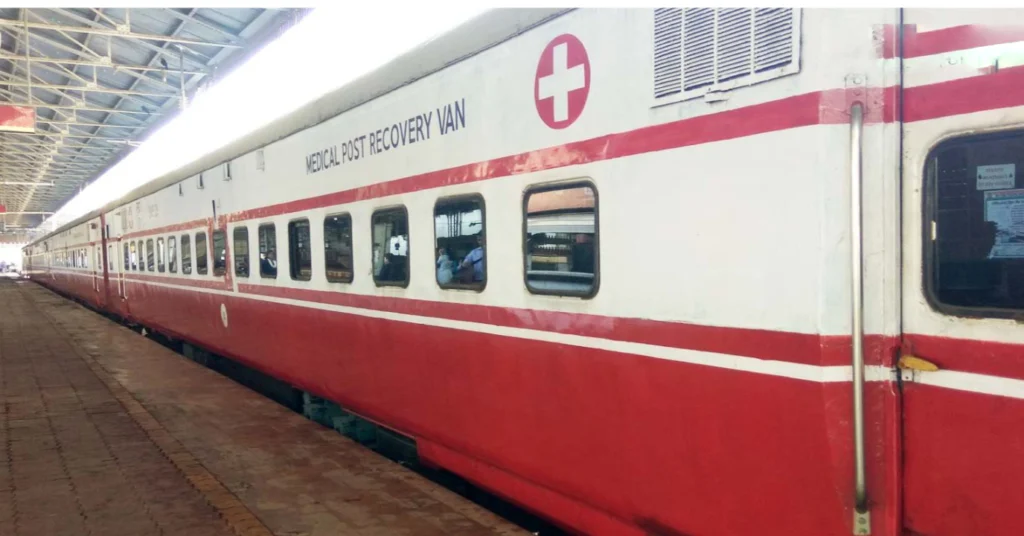
Train Ambulance
A train ambulance involves the medical transfer of a patient using a reserved, medically equipped compartment on a scheduled train. Medical teams accompany the patient, providing continuous care throughout the journey. Train ambulances are particularly useful for stable patients who require long-distance transfers but do not need the speed or intensive care level of an air ambulance.
When Is an Air Ambulance the Right Choice?
1. Time-Critical Medical Emergencies
Air ambulances are ideal when every minute counts. Scenarios include:
- Severe trauma or head injuries requiring rapid transfer to a tertiary care center
- Acute cardiac events needing specialized intervention
- Organ transplant cases where time is of the essence
- Neonatal or pediatric emergencies requiring advanced care unavailable locally
The speed of air ambulances can reduce travel time from hours to minutes, which is often vital in life-threatening situations.
2. Transfers Across States or Remote Locations
When the distance between the referring and receiving hospitals is too great for road or train travel, or when the patient is in a remote area with limited road access, air ambulances provide a direct and efficient solution.
3. Patients Requiring Advanced Life Support En Route
Critically ill patients who need continuous monitoring, ventilatory support, or advanced cardiac care benefit from the specialized equipment and expertise available on air ambulances.
4. International Patient Transfers
For patients needing to travel abroad for treatment or returning to India from overseas, air ambulances offer safe, medically supervised transport across borders.
When Is a Train Ambulance the Right Choice?
1. Stable Patients Requiring Long-Distance Transfers
Train ambulances are suitable for patients who are stable but need to travel hundreds or thousands of kilometers for ongoing treatment, rehabilitation, or specialized procedures.
2. Cost-Effective Alternative for Non-Urgent Cases
While air ambulances are faster, train ambulances provide a more economical option for non-emergency transfers. They are ideal for patients who do not require rapid transport but still need medical supervision and comfort during the journey.
3. Patients Unsuitable for Air Travel
Certain medical conditions, such as recent surgeries, severe respiratory issues, or contraindications to altitude changes, may make air travel risky. In such cases, train ambulances offer a safer alternative.
4. Transfers During Adverse Weather
When weather conditions prevent safe air travel, train ambulances can ensure continuity of care without unnecessary delays.
Key Considerations in Choosing the Right Mode
Medical Condition and Stability
The patient’s current health status, risk of deterioration, and need for advanced interventions are primary factors. Critical, unstable patients often benefit from the speed and resources of air ambulances, while stable patients may be safely transported by train.
Distance and Geography
For distances exceeding 500–600 kilometers, especially when crossing multiple states or remote regions, air ambulances are generally preferred. Train ambulances are effective for long but less urgent journeys along established rail routes.
Cost and Accessibility
Air ambulances are more expensive due to operational and logistical costs. Train ambulances offer a balance between medical supervision and affordability, making them accessible to a wider range of patients.
Availability and Coordination
Both air and train ambulance transfers require meticulous planning, coordination with hospitals, and regulatory clearances. Engaging an experienced ambulance service provider ensures smooth execution and patient safety.
The Role of Professional Ambulance Services
Choosing the right mode of transport is not a decision to be made in isolation. Professional ambulance service providers assess each case individually, considering:
- Medical assessment by qualified doctors
- Route and mode recommendations based on urgency, distance, and patient needs
- Coordination with hospitals, railways, and aviation authorities
- Provision of trained medical teams and specialized equipment
- Transparent communication with families and caregivers
With decades of experience in long-distance patient transfers, established providers ensure that every journey is managed with utmost care, safety, and dignity.
Preparing for a Long-Distance Medical Transfer
If you or a loved one may require a long-distance transfer, consider the following steps:
- Consult with Treating Doctors: Obtain a detailed medical summary and discuss the safest mode of transfer.
- Engage a Reputable Ambulance Service: Choose a provider with experience in air and train transfers, and a track record of transparent, ethical operations.
- Understand the Process: Clarify logistics, documentation, and what to expect during the journey.
- Prepare Essential Documents: Carry medical records, identification, and necessary permissions.
- Stay Informed and Involved: Maintain open communication with the medical team throughout the transfer.
Conclusion
Long-distance patient transfers are complex, requiring careful planning, medical expertise, and the right choice of transport. Air and train ambulances each offer unique advantages, depending on the urgency, distance, and patient condition. By working with experienced ambulance service providers and making informed decisions, families and healthcare professionals can ensure that patients receive timely, safe, and compassionate care no matter the distance.
For guidance on choosing the right ambulance service or to discuss a specific transfer, reach out to our expert team. Your safety and wellbeing are our highest priorities.