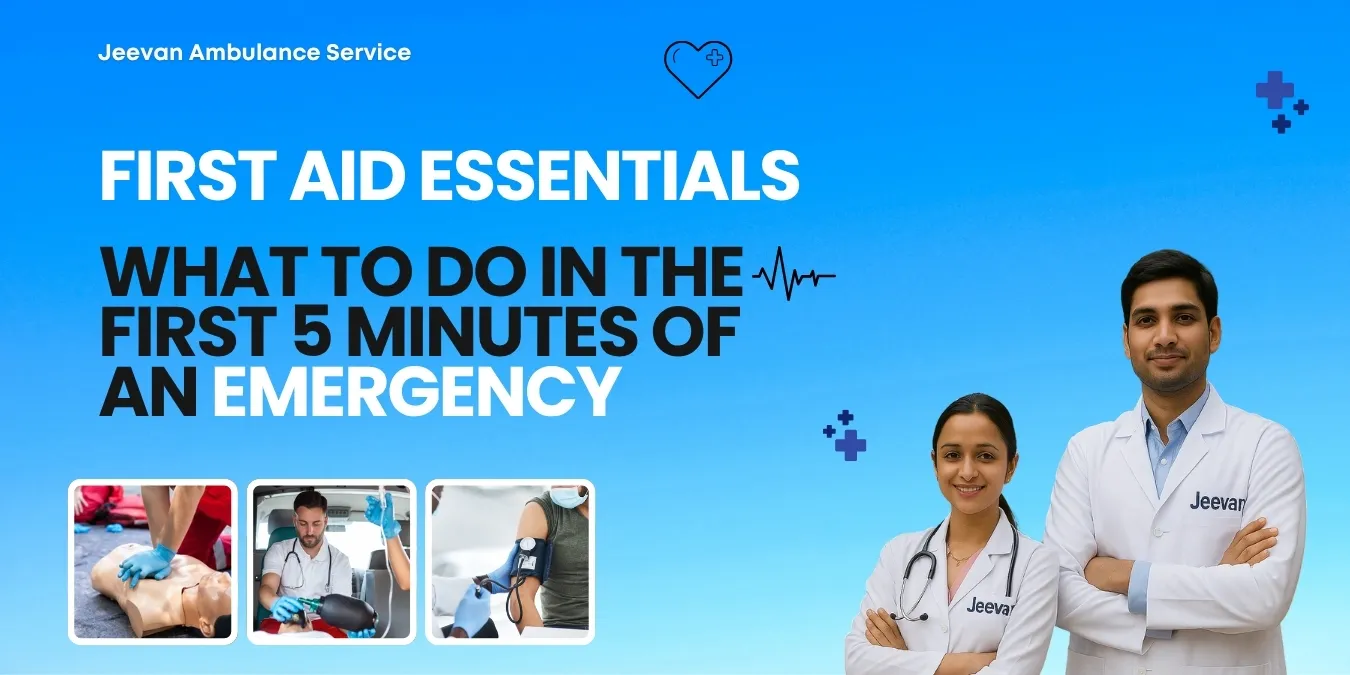
Emergencies happen when you least expect them a loved one collapses, an accident occurs on the road, or someone starts choking at a restaurant.
In those critical first five minutes, your actions can make the difference between life and death.
While panic is a natural reaction, being prepared and knowing what to do gives you the power to take control of the chaos.
This guide breaks down exactly what you should do in the first 5 minutes of an emergency simple, actionable steps that anyone can follow to save a life before professional help arrives.
Minute 1: Stay Calm and Assess the Situation
The very first thing you must do is stay calm.
Yes, it’s easier said than done but taking a deep breath before acting helps you think clearly. Panic clouds judgment and wastes precious seconds.
Next, scan your surroundings. Ask yourself:
- Is the scene safe for me and others?
- Is there fire, smoke, traffic, or any electrical hazard?
- How many people are injured or in danger?
Never rush blindly into a risky environment. Your safety comes first — you can’t help others if you become a victim too.
Once it’s safe, quickly assess the victim’s condition. Are they conscious? Breathing? Bleeding?
This initial assessment helps you decide what to do next and what information to share when you call for help.
💡 Pro Tip: If there are multiple bystanders, assign tasks one person calls for help, another fetches a first-aid kit, and someone else clears the area.
Minute 2: Call Emergency Services
The next minute is all about getting professional help on the way.
Dial your local emergency number 108 or 112 in India, 911 in the U.S., or the appropriate local helpline in your country.
When you connect, stay calm and provide clear information:
- Your exact location (use landmarks, street names, or nearby buildings).
- What happened — accident, collapse, choking, burn, etc.
- The number of people injured and their visible condition.
- Any immediate danger nearby (fire, traffic, electric wire).
- Your contact number, in case the operator needs to reach you again.
Emergency dispatchers are trained to walk you through first aid over the phone. Follow their instructions closely. If possible, put your phone on speaker mode so you can use both hands to assist the victim.
Minute 3: Check Responsiveness and Breathing
Now it’s time to check the person’s responsiveness.
Gently tap their shoulder and ask loudly, “Are you okay?”
If they don’t respond, check for breathing:
- Tilt their head back slightly and lift their chin to open the airway.
- Look for chest movement, listen for breathing sounds, and feel for air on your cheek.
Do this for no more than 10 seconds.
- If they’re breathing, place them in the recovery position (on their side, head tilted back) to keep the airway clear.
- If they’re not breathing, start CPR immediately.
Hands-Only CPR Steps (for adults):
- Place one hand on the center of the chest, with the other hand on top.
- Push hard and fast — about 2 inches deep, at 100–120 compressions per minute (think of the beat of Stayin’ Alive).
- Continue until the person starts breathing, another trained responder takes over, or help arrives.
If someone nearby is trained in full CPR (compressions + breaths), let them take over but if not, hands-only CPR is still extremely effective.
💬 Remember: Every second without CPR reduces the person’s chance of survival by 7–10%. Don’t wait for the ambulance — act now.
Minute 4: Control Bleeding and Manage Visible Injuries
Severe bleeding can cause death within minutes, even before an ambulance arrives.
If you see heavy bleeding:
- Apply firm pressure directly to the wound with a clean cloth, towel, or even your shirt.
- If the wound is deep and spurting blood, don’t remove embedded objects — apply pressure around them.
- Elevate the injured limb above heart level to reduce blood flow.
If the person has burns, run cool (not cold) water over the area for 10–15 minutes. Avoid ice, butter, or toothpaste — they trap heat and make the burn worse.
For fractures, avoid moving the person. Support the injured area with a splint — even a magazine or stick can help keep it stable until medical professionals arrive.
Minute 5: Keep Monitoring and Comforting the Person
The final minute is about maintaining stability and keeping the person calm.
Check for breathing and pulse continuously. If either stops, resume CPR immediately.
If the person is conscious, reassure them. Your calm voice helps reduce panic and shock.
Say things like:
“You’re doing great.”
“Help is almost here.”
“Just keep breathing slowly.”
Avoid giving them food, water, or medication — especially if they’re unconscious or bleeding heavily.
If they’re shivering or cold, cover them with a jacket or cloth. This prevents shock and helps maintain body temperature.
When the ambulance arrives, give paramedics a clear report:
- What happened and when.
- What first-aid steps you performed.
- Any changes in the person’s condition.
These small details help emergency responders act faster and more effectively.
Final Thoughts: Every Second Counts
The first five minutes of an emergency are the most critical — and your actions during that time matter more than anything else.
By staying calm, calling for help, and performing basic first aid, you can give someone the chance to survive until professional medical care arrives.
You don’t have to be a doctor or a superhero — you just have to act.
Because in those crucial first minutes, your courage can become someone else’s heartbeat.
FAQs
1. What is the most important thing to do first in an emergency?
The first step is to stay calm and ensure your safety. Quickly assess the scene for danger before approaching the injured person. Acting without checking your surroundings can put both you and the victim at risk.
2. When should I call emergency services during an emergency?
You should call emergency services immediately after assessing the situation. Provide clear details like your location, what happened, and the person’s condition. The faster you call, the sooner help arrives.
3. What if the person is not breathing or unconscious?
If someone is not breathing or unresponsive, start CPR right away. Push hard and fast in the center of their chest at about 100–120 compressions per minute. Continue until they start breathing or medical help arrives.
4. How can I prepare for emergencies in advance?
Keep a first-aid kit at home and in your car, save emergency numbers (108 or 112 in India), and learn basic first aid and CPR. A little preparation today can help you respond confidently tomorrow.